


-
 50% off the second itemVendor:Love and Care
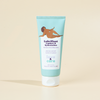
Delta Love&Care Kegel balls set of 3
3 levels | Waterproof
Regular price 59,00 €Unit price perRegular price -
 Vendor:Passage du Désir
Yva Twins geisha balls
Hypoallergenic silicone | Internal balls | Removal loop
Regular price 14,90 €Unit price perRegular price -
50% off the second itemVendor:Love and Care
Sigma Love&Care vibrating geisha balls
10 vibration modes | Remote control | 3 interchangeable weights
Regular price 68,90 €Unit price perRegular price -
50% off the second itemVendor:Love and Care
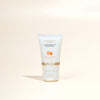
Set of 6 Alpha Love&Care Kegel balls
6 progressive weights | Waterproof
Regular price 59,00 €Unit price perRegular price -
50% off the second itemVendor:Love and Care
Lina Love&Care Kegel Balls
Pelvic floor strengthening | Ideal for beginners
Regular price 39,90 €Unit price perRegular price -
Vendor:50 Nuances de Grey
Fifty Shades of Grey beaded geisha balls
Metal and silicone | Heavy (230g) | Waterproof
Regular price 29,90 €Unit price perRegular price -
-15%Vendor:Périfit
Périfit Care connected pelvic floor trainer
Pelvic floor rehabilitation | Mobile connectivity | High precision
Save 21€Regular price 118,00 €Unit price perRegular price139,00 €Sale price 118,00 € -
Vendor:Svakom
Nova geisha balls
3 graduated weights | Medical-grade silicone | Elegant gift box
Regular price 39,90 €Unit price perRegular price -
Vendor:Magic Motion
Crystal Duo Connected Kegel Balls
Connected | 10 vibration modes | Hypoallergenic silicone
Regular price 68,90 €Unit price perRegular price -
Vendor:Lelo
Lelo Beads Plus Kegel Balls
6 graduated beads | Silicone sleeve | Weight: 28–60 g
Regular price 69,00 €Unit price perRegular price -
Vendor:Love Therapy
Natural Stone Geisha Balls
Natural stone | 3 progressive sizes | Jade or obsidian
FromRegular price 29,90 €FromUnit price perRegular price -
Vendor:Black Edition
EMY Metal Kegel Balls
Medical-grade steel | Hypoallergenic silicone | Waterproof
Regular price 39,90 €Unit price perRegular price -
Black Friday -40%Vendor:Fabulous Toys
Lorna geisha balls
Internal stimulation | Strengthens the perineum
Save 9,95€Regular price 14,95 €Unit price perRegular price24,90 €Sale price 14,95 € -
-
Vendor:Lelo
Lelo Beads Classic Kegel Balls
Interchangeable weights | Medical-grade silicone | Double sleeve
Regular price 69,00 €Unit price perRegular price -
50% off the second item -22%Vendor:Love and Care
Love&Care Pelvic Floor Rehabilitation Pack
6 progressive balls
Save 19,90€Regular price 68,90 €Unit price perRegular price88,80 €Sale price 68,90 € -
Vendor:Puissante
Set of 3 Puissante Kegel balls
3 progressive weights | Prevention or rehabilitation
Regular price 49,00 €Unit price perRegular price -
Vendor:Biird
Yonii by Biird rose quartz Kegel balls
Natural rose quartz | 2 silicone holders | Vegan pouch
Regular price 49,90 €Unit price perRegular price -
Coming soonVendor:Magic Motion
Magic Kegel Master connected vibrating egg
Connected | Mobile app | 4-hour battery life
Regular price 74,90 €Unit price perRegular price
Your basket
0
30 days to change your mind
Your basket is empty
Find out more
4,90 €
PHAgY2xhc3M9ImNoZWNrYm94LWdpZnRfcG9wdXAtdGl0bGUiPgoJCQkJCQlUaGUgYmVuZWZpdHMKCQkJCQk8L3A+PGRpdiBjbGFzcz0iY2hlY2tib3gtZ2lmdF9wb3B1cC1pbmZvcyI+PGRpdiBjbGFzcz0iY2hlY2tib3gtZ2lmdF9wb3B1cC1pbmZvIj4KCQkJCQkJCTxpbWcKCQkJCQkJCXNyYz0iLy93d3cucGFzc2FnZWR1ZGVzaXIuY29tL2Nkbi9zaG9wL2ZpbGVzL3B1cnBsZTIuc3ZnP3Y9MTczMDI4MTUyNiZ3aWR0aD0xNSIKCQkJCQkJCWFsdD0iTW9udGhseSBkaXNjb3VudHMiCgkJCQkJCQl3aWR0aD0iMTUiCgkJCQkJCQloZWlnaHQ9IjE1IgoJCQkJCQkJY2xhc3M9ImNoZWNrYm94LWdpZnRfcG9wdXAtcGljdG8iPgoJCQkJCQkJTW9udGhseSBkaXNjb3VudHMKCQkJCQkJPC9kaXY+PGRpdiBjbGFzcz0iY2hlY2tib3gtZ2lmdF9wb3B1cC1pbmZvIj4KCQkJCQkJCTxpbWcKCQkJCQkJCXNyYz0iLy93d3cucGFzc2FnZWR1ZGVzaXIuY29tL2Nkbi9zaG9wL2ZpbGVzL3B1cnBsZTMuc3ZnP3Y9MTczMDI4MTUyNiZ3aWR0aD0xNSIKCQkJCQkJCWFsdD0iUHJpb3JpdHkgb3JkZXJzIgoJCQkJCQkJd2lkdGg9IjE1IgoJCQkJCQkJaGVpZ2h0PSIxNSIKCQkJCQkJCWNsYXNzPSJjaGVja2JveC1naWZ0X3BvcHVwLXBpY3RvIj4KCQkJCQkJCVByaW9yaXR5IG9yZGVycwoJCQkJCQk8L2Rpdj48ZGl2IGNsYXNzPSJjaGVja2JveC1naWZ0X3BvcHVwLWluZm8iPgoJCQkJCQkJPGltZwoJCQkJCQkJc3JjPSIvL3d3dy5wYXNzYWdlZHVkZXNpci5jb20vY2RuL3Nob3AvZmlsZXMvcHVycGxlNC5zdmc/dj0xNzMwMjgxNTI2JndpZHRoPTE1IgoJCQkJCQkJYWx0PSJBIGZyZWUgbHViZSB1cG9uIGpvaW5pbmciCgkJCQkJCQl3aWR0aD0iMTUiCgkJCQkJCQloZWlnaHQ9IjE1IgoJCQkJCQkJY2xhc3M9ImNoZWNrYm94LWdpZnRfcG9wdXAtcGljdG8iPgoJCQkJCQkJQSBmcmVlIGx1YmUgdXBvbiBqb2luaW5nCgkJCQkJCTwvZGl2PjxkaXYgY2xhc3M9ImNoZWNrYm94LWdpZnRfcG9wdXAtaW5mbyI+CgkJCQkJCQk8aW1nCgkJCQkJCQlzcmM9Ii8vd3d3LnBhc3NhZ2VkdWRlc2lyLmNvbS9jZG4vc2hvcC9maWxlcy9wdXJwbGU1LnN2Zz92PTE3MzAyODE1MjYmd2lkdGg9MTUiCgkJCQkJCQlhbHQ9IjIteWVhciB3YXJyYW50eSBleHRlbnNpb24iCgkJCQkJCQl3aWR0aD0iMTUiCgkJCQkJCQloZWlnaHQ9IjE1IgoJCQkJCQkJY2xhc3M9ImNoZWNrYm94LWdpZnRfcG9wdXAtcGljdG8iPgoJCQkJCQkJMi15ZWFyIHdhcnJhbnR5IGV4dGVuc2lvbgoJCQkJCQk8L2Rpdj48ZGl2IGNsYXNzPSJjaGVja2JveC1naWZ0X3BvcHVwLWluZm8iPgoJCQkJCQkJPGltZwoJCQkJCQkJc3JjPSIvL3d3dy5wYXNzYWdlZHVkZXNpci5jb20vY2RuL3Nob3AvZmlsZXMvcHVycGxlNi5zdmc/dj0xNzMwMjgxNTI2JndpZHRoPTE1IgoJCQkJCQkJYWx0PSJCaXJ0aGRheSBnaWZ0IgoJCQkJCQkJd2lkdGg9IjE1IgoJCQkJCQkJaGVpZ2h0PSIxNSIKCQkJCQkJCWNsYXNzPSJjaGVja2JveC1naWZ0X3BvcHVwLXBpY3RvIj4KCQkJCQkJCUJpcnRoZGF5IGdpZnQKCQkJCQkJPC9kaXY+PGRpdiBjbGFzcz0iY2hlY2tib3gtZ2lmdF9wb3B1cC1pbmZvIj4KCQkJCQkJCTxpbWcKCQkJCQkJCXNyYz0iLy93d3cucGFzc2FnZWR1ZGVzaXIuY29tL2Nkbi9zaG9wL2ZpbGVzL3B1cnBsZTEuc3ZnP3Y9MTczMDI4MTUyNiZ3aWR0aD0xNSIKCQkJCQkJCWFsdD0iLTI1JSBvZmYgeW91ciBmYXZvdXJpdGUgbHViZXMiCgkJCQkJCQl3aWR0aD0iMTUiCgkJCQkJCQloZWlnaHQ9IjE1IgoJCQkJCQkJY2xhc3M9ImNoZWNrYm94LWdpZnRfcG9wdXAtcGljdG8iPgoJCQkJCQkJLTI1JSBvZmYgeW91ciBmYXZvdXJpdGUgbHViZXMKCQkJCQkJPC9kaXY+PC9kaXY+
Already a member?
Log in to activate your benefits
Little extras
I have a promo code
You can enter your promo code at the next step


